Introduction
Close reading and annotation of texts are fundamental practices in humanities research. In the digital age, tools are needed to realize these practices in the context of the web.
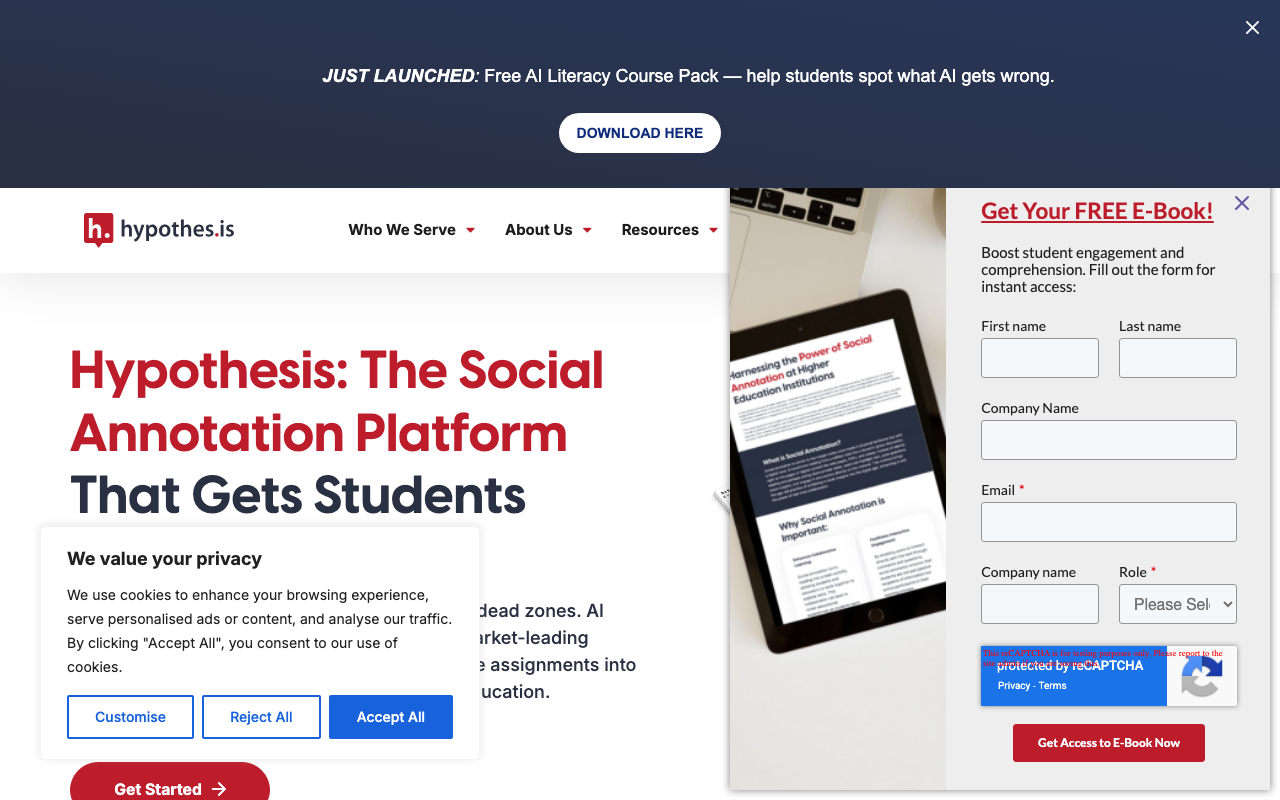
Hypothes.is is an open-source annotation tool that enables highlights and comments on any web page. It complies with the W3C Web Annotation standard and is used across a wide range of fields including education, research, and journalism. It is released under the BSD license.
Key Features of Hypothes.is
W3C Web Annotation Standard Compliance
Hypothes.is complies with the Web Annotation standard established by the W3C (World Wide Web Consortium). This ensures interoperability of annotation data, enabling data exchange with other tools and platforms.
Annotate Any Web Page
Using a browser extension or bookmarklet, you can add highlights and comments to any web page. PDF annotation is also supported. Annotations are stored on Hypothes.is servers and can be shared with other users viewing the same URL.
Group Features
You can create private groups and share annotations among members. This is ideal for collaborative reading in seminars and research groups. Three levels of visibility can be set: public, group-only, and private.
Open Source and API
Hypothes.is is an open-source project with source code available on GitHub. An API is also provided, enabling programmatic retrieval and manipulation of annotation data.
Use Cases in DH Research
Collaborative Text Reading
Research group members can annotate and discuss digital texts of literary works and historical documents. Sharing different interpretations and insights deepens multifaceted understanding of texts.
Critical Analysis of Digital Sources
Critical annotations can be added to primary sources and digital archive content published on the web. Research insights such as source reliability assessments and contextual supplements can be recorded directly on the source.
Active Reading in Education
In university courses, "active reading" can be promoted where students annotate course material web pages and PDFs while reading. Instructors can review student annotations to assess understanding and provide feedback.
Open Annotation of Academic Papers
It is used as a peer review mechanism where research communities openly add comments and questions to open-access academic papers. This represents a new form of scholarly communication that complements traditional peer review processes.
Basic Workflow
- Create an account: Sign up at hypothes.is
- Install browser extension: Install the Chrome extension or add the bookmarklet
- Browse web pages: Open the page you want to annotate and activate Hypothes.is
- Select text: Select the text you want to highlight and add annotations or highlights
- Share: Set the visibility and save/share your annotations
LMS Integration
Hypothes.is supports integration with major Learning Management Systems (LMS):
- Canvas: Integration via LTI
- Moodle: Integration via plugin
- Blackboard: LTI integration
This allows seamless incorporation of annotation features into institutional e-learning environments.
API Usage
The Hypothes.is API enables advanced analysis using annotation data:
GET https://api.hypothes.is/api/search?url=https://example.com
You can retrieve all annotations for a specific URL and use them for text mining or network analysis. The API is easily accessible from scripting languages like Python, enabling analysis of large volumes of annotation data.
Conclusion
Hypothes.is is an open-source tool that extends the web with an annotation layer. Compliance with W3C standards ensures data interoperability, and it supports a wide range of uses from education to research. It is an indispensable tool for collaborative text reading and digital source analysis in DH research.