ホーム 記事一覧 ブック DH週間トピックス 検索 このサイトについて
English
@sidebase/nuxt-authのローカル認証を試す

@sidebase/nuxt-authのローカル認証を試す

概要 @sidebase/nuxt-authのローカル認証を試す機会がありましたので、備忘録です。 背景 以下の記事で、@sidebase/nuxt-authを使って、Drupalの認証を行う方法を紹介しました。 上記の記事では、Nuxt3のSSRを利用して、@sidebase/nuxt-authのauthjsプロバイダを使用していました。プロバイダの説明は以下です。 authjs: for non-static apps that want to use Auth.js / NextAuth.js to offer the reliability & convenience of a 23k star library to the Nuxt 3 ecosystem with a native developer experience (DX) local: for static pages that rely on an external backend with a credential flow for authentication. The Local Provider also supports refresh tokens since v0.9.0. Read more here. (機械翻訳)authjs: 非静的なアプリ向けで、Auth.js / NextAuth.js を使用し、23,000以上のスターを持つ信頼性と利便性をNuxt 3エコシステムに提供します。開発者にネイティブな開発体験 (DX) を提供します。 local: 外部バックエンドを使用し、認証のために資格情報フローを利用する静的ページ向けです。このローカルプロバイダーは、バージョン0.9.0以降、リフレッシュトークンもサポートしています。詳しくはこちらをご覧ください。 ...

NextAuth.jsを使ってDrupalのOAuthを利用する

NextAuth.jsを使ってDrupalのOAuthを利用する

概要 NextAuth.jsを使ってDrupalのOAuthを利用する方法に関する備忘録です。 挙動 Next.jsで作成したアプリにアクセスして、「Sign in」ボタンを押します。 Drupalにログインしていない場合には、ログイン画面に遷移します。 ログイン済みの場合、「許可」するかのボタンが表示されるので、許可します。 ログイン情報が表示されます。 Drupal側の準備 モジュールのインストール 以下のモジュールをインストールします。 https://www.drupal.org/project/simple_oauth 本記事執筆時点の最新の以下をインストールしました。 composer require 'drupal/simple_oauth:^6.0@beta' トークンを暗号化するための鍵の生成 鍵のペアを生成し、セキュリティのためにドキュメントルートの外に保存します。 openssl genrsa -out private.key 2048 openssl rsa -in private.key -pubout > public.key 鍵のパスを設定 鍵のパスを管理画面で設定します: /admin/config/people/simple_oauth Amazon LightsailでDrupalを動作させている場合、以下のように、ユーザを変更する必要がありました。 sudo chown daemon:daemon private.key Clients /admin/config/services/consumerにアクセスします。 default_consumerがすでに作成されているため、こちらを編集します。 New Secretに値を入力します。 Grant typesでAuthorization Codeを選択します。 Redirect URIsに以下を入力します。 http://localhost:3000/api/auth/callback/drupal https://oauth.pstmn.io/v1/callback (Postmanでのチェック用) Access token expiration timeに値を入力します。 Postmanでの動作確認 以下のように入力します。Drupalがhttps://drupal.example.orgにセットアップされていると過程します。 認可 URL: https://drupal.example.org/oauth/authorize アクセストークン URL: https://drupal.example.org/oauth/token クライアント ID: Drupalで設定した値 クライアントシークレット: Drupalで設定した値 ...

Azure Logic Appsを試す

Azure Logic Appsを試す

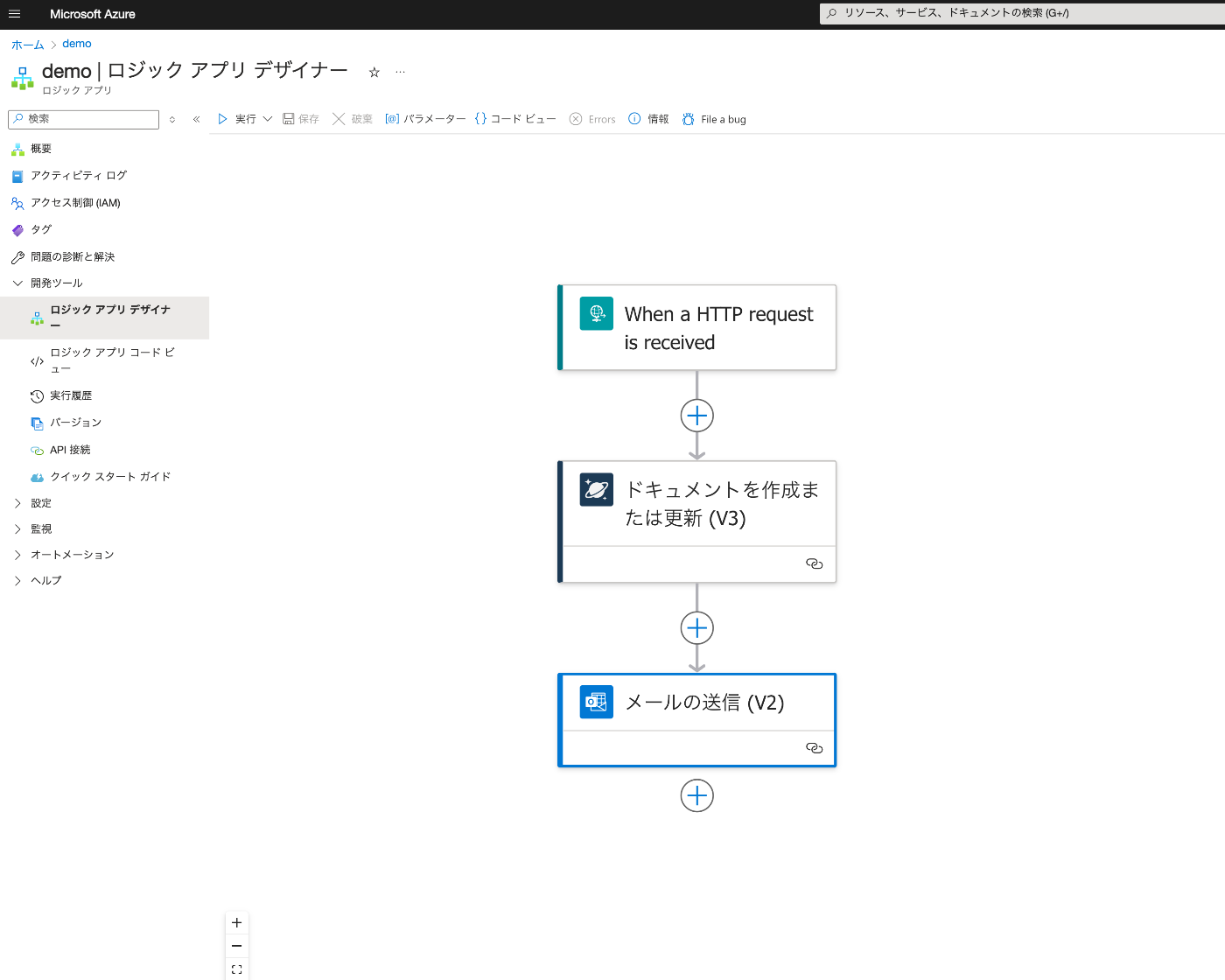
概要 ノーコードまたはローコード開発の調査を目的として、Azure Logic Appsを試してみましたので備忘録です。 成果物 以下は、ロジックアプリデザイナーの画面です。HTTPリクエストを受信し、Cosmos DBにデータを保存し、成功時にメールを送信するワークフローを作成します。 Azure Cosmos DBの作成 「アカウント名」以外はデフォルトにしました。「my-first-azure-cosmos-db-account」という名前で作成しました。 「Items」コンテナを作成します。 「データエクスプローラ」を使って、データベース「ToDoList」の下に、コレクション「Items」が作成されていることを確認できます。 ロジック アプリの作成 ロジック アプリの作成を行います。 「my-first-logic-app」を作成しました。 「ロジックアプリデザイナー」に移動します。 HTTPリクエスト まず、「Request」を選びます。 そして、以下を入力します。今回は単純に「url」と「code」という項目を管理します。 { "type": "object", "properties": { "url": { "type": "string" }, "code": { "type": "string" } }, "required": [ "url", "code" ] } Cosmos DBの追加 まずコネクションを作成します。 入力すべき値は、「Azure Cosmos DB アカウント」ページの「設定 > キー」から確認することができました。 次に、パラメータを入力します。先ほど作成したコレクション「Items」を選択して、「ドキュメント」に以下を入力します。 { "id": "@{guid()}", "url": "@{triggerBody()?['url']}", "code": "@{triggerBody()?['code']}" } idとしてUUIDを入力し、フォームから受け取ったurlとcodeをDBに登録します。 メールの送信 最後に、メールの送信設定です。今回は「Office 365 Outlook」の「メールの送信(V2)」を選択しました。 ...

Azure OpenAI Assistants APIを用いたアプリをGradioとNext.jsで作成する

Azure OpenAI Assistants APIを用いたアプリをGradioとNext.jsで作成する

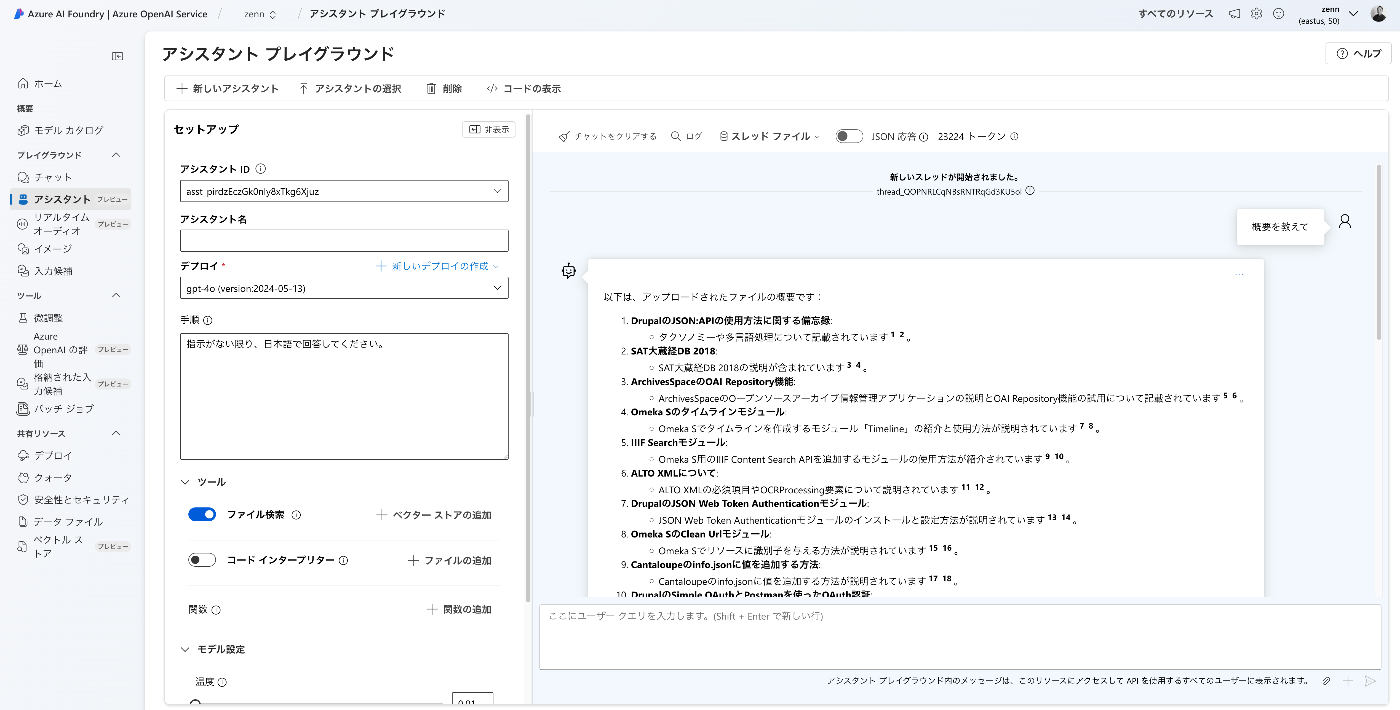
概要 Azure OpenAI Assistants APIを用いたアプリをGradioとNext.jsで作成したので、備忘録です。 対象データ Zennで公開している記事を対象にしました。まず以下により、一括ダウンロードしました。 import requests from bs4 import BeautifulSoup import os from tqdm import tqdm page = 1 urls = [] while 1: url = f"https://zenn.dev/api/articles?username=nakamura196&page={page}" response = requests.get(url) data = response.json() articles = data['articles'] if len(articles) == 0: break for article in articles: urls.append("https://zenn.dev" + article['path']) page += 1 for url in tqdm(urls): text_opath = f"data/text/{url.split('/')[-1]}.txt" if os.path.exists(text_opath): continue response = requests.get(url) soup = BeautifulSoup(response.text, "html.parser") html = soup.find(class_="znc") txt = html.get_text() os.makedirs(os.path.dirname(text_opath), exist_ok=True) with open(text_opath, "w") as f: f.write(txt) ベクトルストアへの登録 以下のようなコードにより、データファイルをアップロードします。 import os from dotenv import load_dotenv from openai import AzureOpenAI from glob import glob from tqdm import tqdm load_dotenv(override=True) client = AzureOpenAI( azure_endpoint = os.getenv("AZURE_OPENAI_ENDPOINT_ZENN"), api_key=os.getenv("AZURE_OPENAI_API_KEY_ZENN"), api_version="2024-05-01-preview" ) # ベクトルストアの作成または取得 is_create_vector_store = True vector_store_name = "Vector Store" if is_create_vector_store: vector_store = client.beta.vector_stores.create(name=vector_store_name) # Create a vector store caled "Financial Statements" vector_stores = client.beta.vector_stores.list() for vector_store in vector_stores: if vector_store.name == vector_store_name: vector_store_id = vector_store.id break # 登録済みデータファイルの取得 response = client.files.list(purpose="assistants") items = response.data filenames = [] for item in items: filename = item.filename filenames.append(filename) filenames.sort() # アップロード ## 定数設定 BATCH_SIZE = 100 vector_store_id = "vs_UELnIBkcROD3o4XKX2CcpVjo" ## ファイル一覧取得とソート files = glob("./data/text/*.txt") files.sort() ## アップロード済みファイルを確認済みと仮定 file_streams = [] for file in tqdm(files): filename = os.path.basename(file) if filename in filenames: # アップロード済みのファイルをスキップ continue ## ファイルをストリームとして開く file_streams.append(open(file, "rb")) ## バッチサイズに達したらアップロード処理 if len(file_streams) == BATCH_SIZE: try: client.beta.vector_stores.file_batches.upload_and_poll( vector_store_id=vector_store_id, files=file_streams ) except Exception as e: print(f"Error processing batch: {e}") finally: file_streams = [] # ストリームリセット ## 残りのファイルを処理 if file_streams: try: client.beta.vector_stores.file_batches.upload_and_poll( vector_store_id=vector_store_id, files=file_streams ) except Exception as e: print(f"Error processing remaining files: {e}") アシスタント プレイグラウンド 「アシスタント プレイグラウンド」を用いて、挙動を確認します。 ...

Pythonを使ってOmeka Sにメディアをアップロードする方法

Pythonを使ってOmeka Sにメディアをアップロードする方法

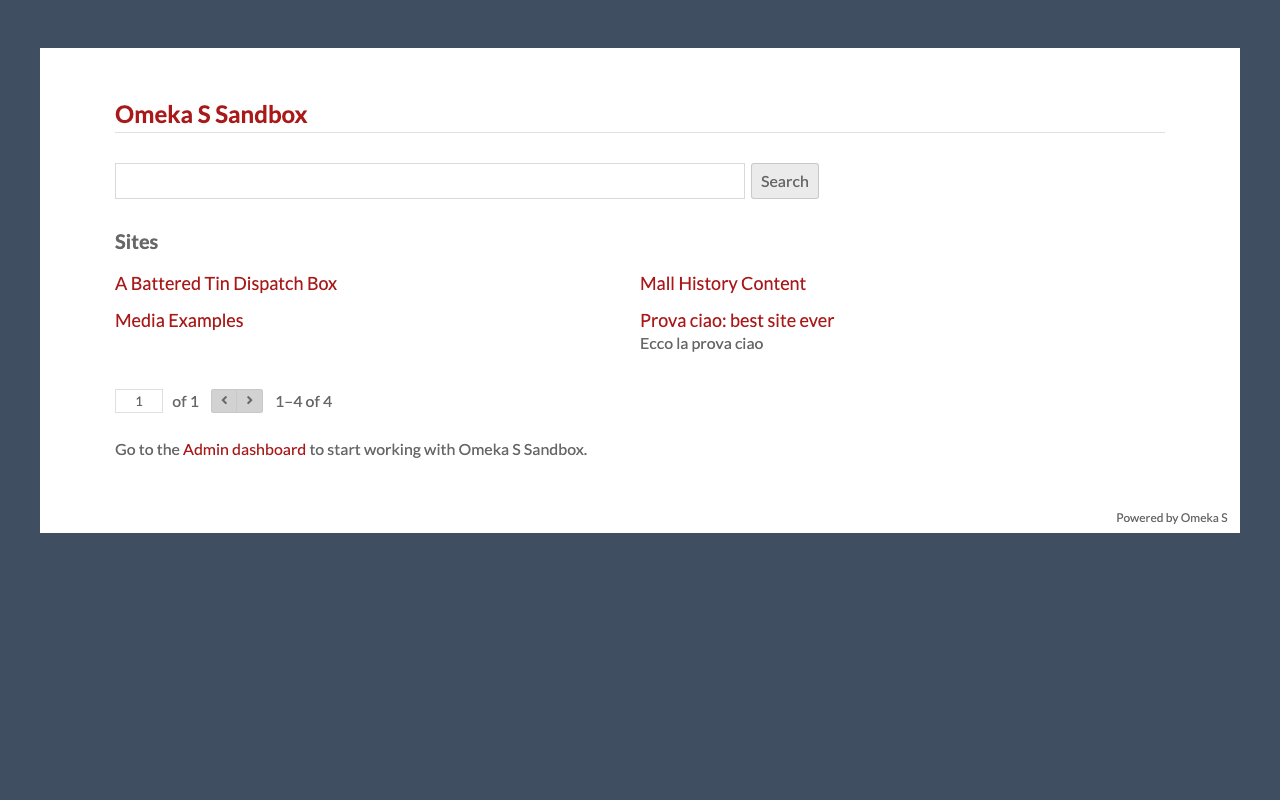
概要 Pythonを使ってOmeka Sにメディアをアップロードする方法の備忘録です。 準備 環境変数を用意します。 OMEKA_S_BASE_URL=https://dev.omeka.org/omeka-s-sandbox # 例 OMEKA_S_KEY_IDENTITY= OMEKA_S_KEY_CREDENTIAL= 初期化します。 import requests from dotenv import load_dotenv import os def __init__(self): load_dotenv(verbose=True, override=True) OMEKA_S_BASE_URL = os.environ.get("OMEKA_S_BASE_URL") self.omeka_s_base_url = OMEKA_S_BASE_URL self.items_url = f"{OMEKA_S_BASE_URL}/api/items" self.media_url = f"{OMEKA_S_BASE_URL}/api/media" self.params = { "key_identity": os.environ.get("OMEKA_S_KEY_IDENTITY"), "key_credential": os.environ.get("OMEKA_S_KEY_CREDENTIAL") } ローカルファイルをアップロードする def upload_media(self, path, item_id): files = {} payload = {} file_data = { 'o:ingester': 'upload', 'file_index': '0', 'o:source': path.name, 'o:item': {'o:id': item_id} } payload.update(file_data) params = self.params files = [ ('data', (None, json.dumps(payload), 'application/json')), ('file[0]', (path.name, open(path, 'rb'), 'image')) ] media_response = requests.post( self.media_url, params=params, files=files ) # レスポンスを確認 if media_response.status_code == 200: return media_response.json()["o:id"] else: return None IIIF画像をアップロードする 以下のようなIIIF画像のURLを指定して登録します。 https://dl.ndl.go.jp/api/iiif/1288277/R0000030/info.json def upload_media(self, iiif_url, item_id): payload = { 'o:ingester': 'iiif', 'file_index': '0', 'o:source': iiif_url, 'o:item': {'o:id': item_id}, } media_response = requests.post( self.media_url, params=self.params, headers={'Content-Type': 'application/json'}, data=json.dumps(payload) ) # レスポンスを確認 if media_response.status_code == 200: return media_response.json()["o:id"] else: return None まとめ Omeka Sへの画像登録にあたり、参考になりましたら幸いです。 ...

Sketchfabのアノテーションを試す

Sketchfabのアノテーションを試す

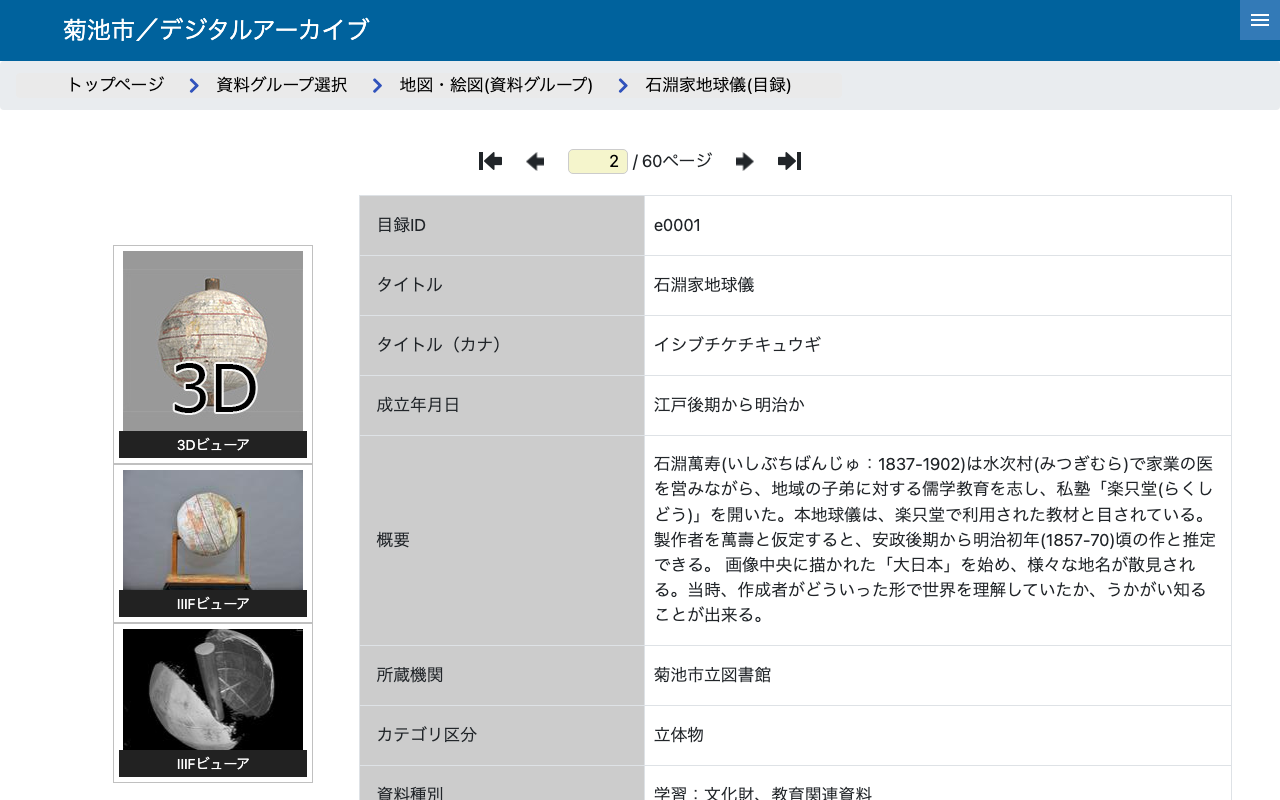
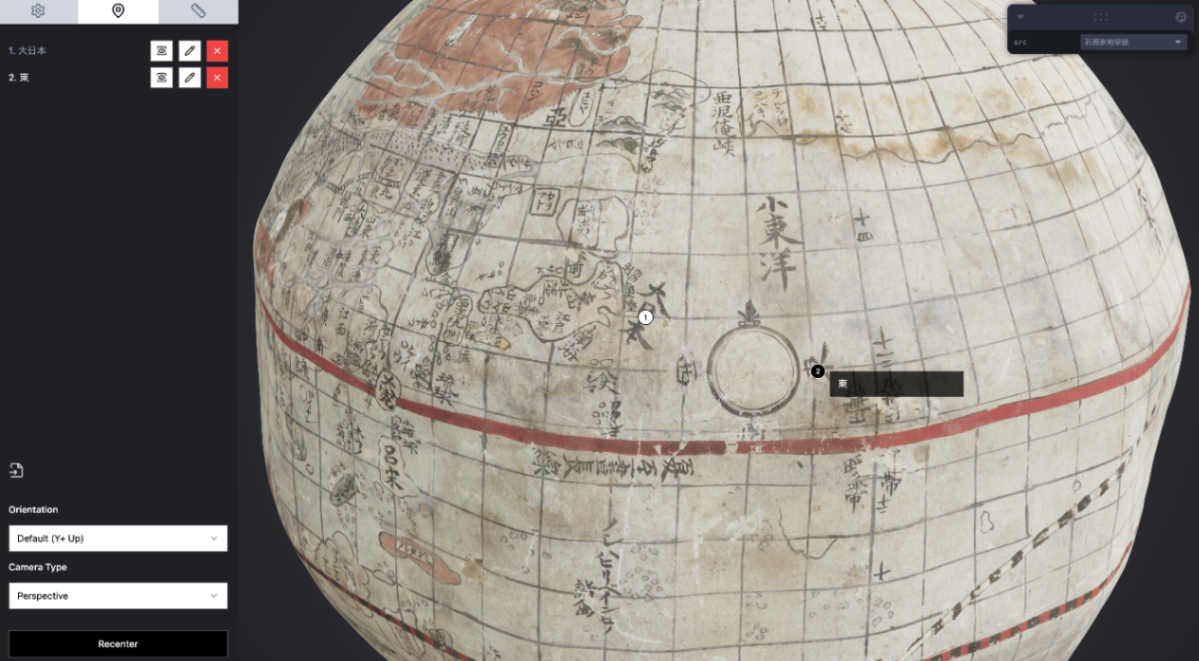
概要 Sketchfabのアノテーションを試してみましたので、備忘録です。 最終的に、以下のようなビューアを作成しました。 https://nakamura196.github.io/SketchfabAnnotationViewer/ https://youtu.be/iEe6TbI3X70 使用データ 「菊池市/デジタルアーカイブ」の「石淵家地球儀」を対象とします。 https://adeac.jp/kikuchi-city/catalog/e0001 使用例 まずSketchfabに3Dデータをアップロードしました。 https://skfb.ly/pt8oU そしてアノテーションを付与しました。結果、以下のようなページが用意されました。 APIを利用する 以下のリポジトリも参考にしてください。 https://github.com/nakamura196/SketchfabAnnotationViewer 以下のようなスクリプトにより、アノテーションの一覧取得や、初期表示に使用するアノテーションの指定、選択したアノテーションへのフォーカスなどを行うことができました。 <!DOCTYPE html> <html lang="en"> <head> <meta charset="UTF-8" /> <meta name="viewport" content="width=device-width, initial-scale=1.0" /> <title>Sketchfab Annotation Viewer</title> <script src="https://cdn.tailwindcss.com"></script> </head> <body class="bg-gray-100 font-sans"> <!-- メインコンテナ --> <div class="max-w-4xl mx-auto py-10 px-4"> <!-- ヘッダー --> <h1 class="text-2xl font-bold text-gray-800 text-center mb-6"> Sketchfab Annotation Viewer </h1> <!-- 3Dビューア --> <div class="mb-6"> <iframe id="api-frame" width="100%" height="480" class="rounded shadow-md border border-gray-300" src="" allowfullscreen ></iframe> </div> <!-- アノテーションリスト --> <h2 class="text-xl font-semibold text-gray-700 mb-4">Annotations</h2> <ul id="annotation-list" class="space-y-2"> <!-- アノテーション項目はJavaScriptで追加 --> </ul> </div> <script src="https://static.sketchfab.com/api/sketchfab-viewer-1.12.1.js"></script> <script src="script.js"></script> </body> </html> // Sketchfab Viewerを埋め込むためのiframeを取得 const iframe = document.getElementById('api-frame'); const client = new Sketchfab(iframe); const urlParams = new URLSearchParams(window.location.search); // SketchfabモデルIDを指定 const modelId = urlParams.get('id') || '02add905e79c446994f971cbcf443815'; // 'id'パラメータを取得 const pos = parseInt(urlParams.get('pos'), 10) || 0; // APIのオプションを指定してモデルをロード client.init(modelId, { success: function (api) { api.start(); api.addEventListener('viewerready', function () { setupAnnotations(api); focusAnnotation(api, pos); // 最初のアノテーションにフォーカス }); }, error: function () { console.error('Sketchfab Viewer failed to load'); }, }); function setupAnnotations(api) { api.getAnnotationList(function (err, annotations) { if (err) { console.error('Failed to fetch annotations'); return; } // アノテーション一覧をHTMLに追加 const annotationListContainer = document.getElementById('annotation-list'); annotations.forEach((annotation, index) => { const annotationItem = document.createElement('li'); annotationItem.textContent = annotation.name; // アノテーションタイトル annotationItem.addEventListener('click', () => { focusAnnotation(api, index); // クリック時にフォーカス }); annotationListContainer.appendChild(annotationItem); }); }); } function focusAnnotation(api, annotationIndex) { api.gotoAnnotation(annotationIndex, { preventCameraAnimation: false, // アニメーションを許可 }); // api.showAnnotation(annotationIndex); // アノテーションを表示 // api.showAnnotationTooltip(annotationIndex); // アノテーションツールチップを表示 } まとめ 3Dデータへのアノテーションの応用にあたり、参考になりましたら幸いです。 ...

objファイルをgltf, glbファイルに変換する

objファイルをgltf, glbファイルに変換する

概要 objファイルをgltf, glbファイルに変換する方法の備忘録です。 対象データ 「菊池市/デジタルアーカイブ」の「石淵家地球儀」を対象とします。 https://adeac.jp/kikuchi-city/catalog/e0001 objファイルは以下のURLからアクセスできます。 https://adeac.jp/viewitem/kikuchi-city/viewer/3d/dc-e0097/models/Kikuchi_Globe_180820.obj 対象データのダウンロード ライブラリをダウンロードします。 npm i axios 以下のファイルを用意します。 const axios = require('axios'); const fs = require('fs'); const path = require('path'); // 指定されたURLからファイルをダウンロードする関数 async function downloadFile(url, outputPath) { const writer = fs.createWriteStream(outputPath); const response = await axios({ url, method: 'GET', responseType: 'stream', }); response.data.pipe(writer); return new Promise((resolve, reject) => { writer.on('finish', resolve); writer.on('error', reject); }); } // .obj ファイルをロードし、関連ファイルをダウンロードする async function processObjFile(objUrl, outputDir) { try { // .obj ファイルをダウンロードして内容を取得 const objResponse = await axios.get(objUrl); const objContent = objResponse.data; // .obj ファイルを保存 const objFileName = path.basename(objUrl); const objFilePath = path.join(outputDir, objFileName); fs.writeFileSync(objFilePath, objContent); console.log(`Downloaded OBJ file: ${objFilePath}`); // .mtl ファイルのパスを検索 const mtlMatch = objContent.match(/^mtllib\s+(.+)$/m); if (mtlMatch) { const mtlFileName = mtlMatch[1]; const mtlUrl = new URL(mtlFileName, objUrl).href; const mtlFilePath = path.join(outputDir, mtlFileName); // .mtl ファイルをダウンロード await downloadFile(mtlUrl, mtlFilePath); console.log(`Downloaded MTL file: ${mtlFilePath}`); // .mtl ファイルの内容を取得して関連ファイルを探す const mtlContent = fs.readFileSync(mtlFilePath, 'utf-8'); const textureMatches = [...mtlContent.matchAll(/^map_Kd\s+(.+)$/gm)]; for (const match of textureMatches) { const textureFileName = match[1]; const textureUrl = new URL(textureFileName, objUrl).href; const textureFilePath = path.join(outputDir, path.basename(textureFileName)); // テクスチャ画像をダウンロード await downloadFile(textureUrl, textureFilePath); console.log(`Downloaded texture file: ${textureFilePath}`); } } else { console.log('No MTL file referenced in the OBJ file.'); } } catch (error) { console.error(`Error processing OBJ file: ${error.message}`); } } // 使用例 const objUrl = 'https://adeac.jp/viewitem/kikuchi-city/viewer/3d/dc-e0097/models/Kikuchi_Globe_180820.obj'; const outputDir = './downloads'; if (!fs.existsSync(outputDir)) { fs.mkdirSync(outputDir, { recursive: true }); } processObjFile(objUrl, outputDir); 実行します。 ...

aleph-r3fを試す

aleph-r3fを試す

概要 以下の記事で、Aleph 3D viewerを紹介しました。 その後調べた結果、以下のリポジトリの存在も知りました。 https://github.com/aleph-viewer/aleph-r3f 以下のように説明されており、react-three-fiberとshadcn/uiを使用している点に違いがあるようでした。 Aleph is a 3D object viewer and annotation/measurement tool built with react-three-fiber and shadcn/ui 以下のように、アノテーション付与機能なども改良されているようでした。 今回の記事でも、菊池市デジタルアーカイブで公開されている「石淵家地球儀」の3Dデータを使用します。 https://adeac.jp/kikuchi-city/catalog/e0001 使い方 以下で閲覧いただけます。 https://iiif-aleph-r3f.vercel.app/ アノテーションタブで、アノテーションの付与を行うことができました。 アノテーションデータのインポート/エクスポートを行うことができ、JSON形式でのエクスポート結果は以下でした。 [ { "position": { "x": -0.06690392681702004, "y": 0.6256817352784154, "z": -0.7424544387001097 }, "normal": { "x": -0.11627753958254597, "y": 0.6430031011979032, "z": -0.7569851687044529 }, "cameraPosition": { "x": -0.15922188799592055, "y": 1.1767071158114843, "z": -1.4378842144444104 }, "cameraTarget": { "x": -0.0023649930953979492, "y": -0.0009789466857910165, "z": -0.011684000492095947 }, "rotation": { "isEuler": true, "_x": 0, "_y": 0, "_z": 0, "_order": "XYZ" }, "label": "大西洋", "description": "初めてのアノテーション" } ] カスタマイズ 「石淵家地球儀」を表示するにあたり、以下のようにソースコードを編集する必要がありました。 import './App.css'; import { useEffect, useRef } from 'react'; ... const [{ src }, _setLevaControls] = useControls(() => ({ src: { options: { // 'Measurement Cube': { // url: 'https://cdn.glitch.global/afd88411-0206-477e-b65f-3d1f201de994/measurement_cube.glb?v=1710500461208', // label: 'Measurement Cube', // }, 石淵家地球儀: 'https://sukilam.aws.ldas.jp/files/original/253efdf34478459954ae04f6b3befa5f3822ed59.glb', 'Flight Helmet': 'https://raw.githubusercontent.com/KhronosGroup/glTF-Sample-Assets/main/Models/FlightHelmet/glTF/FlightHelmet.gltf', ... また、Vercelへのデプロイにあたり、以下のように、tailwind.config.jsを修正する必要がありました。 ...

Cantaloupe: Microsoft Azure Blob Storageに格納した画像を配信する

Cantaloupe: Microsoft Azure Blob Storageに格納した画像を配信する

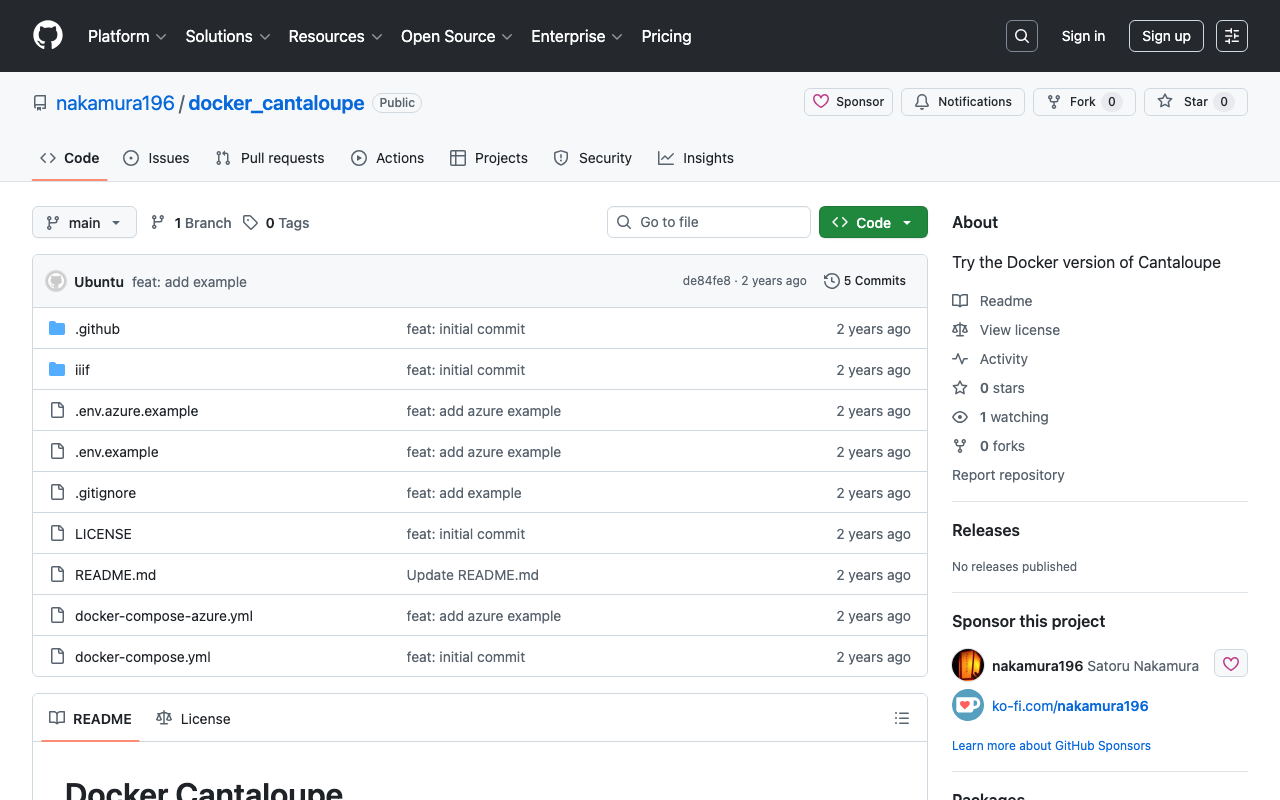
概要 IIIFイメージサーバの一つであるCantaloupe Image Serverについて、Microsoft Azure Blob Storageに格納した画像を配信する方法の備忘録です。 以下のMicrosoft Azure Blob Storage版です。 方法 今回はDocker版を使用します。 以下のリポジトリをクローンしてください。 https://github.com/nakamura196/docker_cantaloupe 特に、.env.azure.exampleを.envにリネームして、環境変数を設定します。 # For Microsoft Azure Blob Storage CANTALOUPE_AZURESTORAGESOURCE_ACCOUNT_NAME= CANTALOUPE_AZURESTORAGESOURCE_ACCOUNT_KEY= CANTALOUPE_AZURESTORAGESOURCE_CONTAINER_NAME= # For Traefik CANTALOUPE_HOST= LETS_ENCRYPT_EMAIL= 下の二つは、Traefikを用いたHTTPS化の設定も含めています。 そして、以下を実行します。 docker compose -f docker-compose-azure.yml up まとめ セキュリティの面など、不十分な点もあるかと思いますが、参考になりましたら幸いです。

Azureの仮想マシンを用いたNDLOCRのGradioアプリ構築

Azureの仮想マシンを用いたNDLOCRのGradioアプリ構築

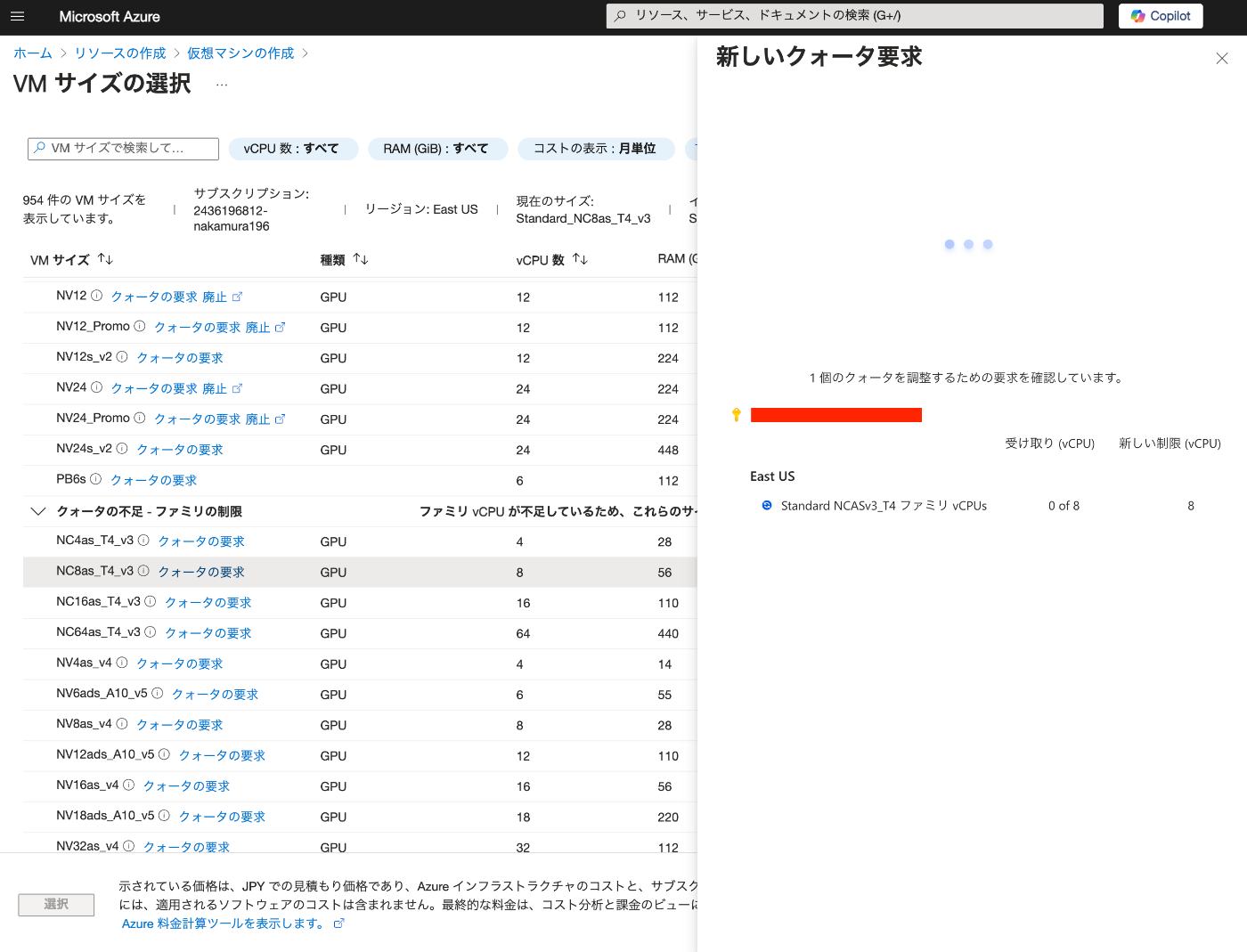
概要 以下の記事で、Azureの仮想マシンとNDLOCRを用いたGradioアプリについて紹介しました。 本記事では、このアプリの構築方法に関する備忘録です。 仮想マシンの構築 GPUを使用するにあたり、クォータの要求を行う必要がありました。 要求後、今回は「NC8as_T4_v3」を使用します。 Docker環境の構築 以下の記事を参考にします。 https://zenn.dev/koki_algebra/scraps/32ba86a3f867a4 Secure Boot の無効化 以下のように記載されています。 Secure Boot を無効化しないと NVIDIA Driver が正しくインストールされない. 実際、無効化しなかった場合、以下の画面が表示され、前に進めませんでした。 以下で、Secure Bootを無効化します。 NVIDIA Driver のインストール ubuntu-drivers コマンドのインストールを行い、インストール可能な NVIDIA Driver を確認する。 sudo apt-get update sudo apt install ubuntu-drivers-common ubuntu-drivers devices 以下が結果です。 vendor : NVIDIA Corporation model : TU104GL [Tesla T4] driver : nvidia-driver-535 - distro non-free recommended driver : nvidia-driver-470-server - distro non-free driver : nvidia-driver-535-server - distro non-free driver : nvidia-driver-470 - distro non-free driver : xserver-xorg-video-nouveau - distro free builtin recommendedをインストールします。 ...

Nuxt3と@sidebase/nuxt-authを使って、GakuNin RDMの認証を行う

Nuxt3と@sidebase/nuxt-authを使って、GakuNin RDMの認証を行う

概要 Nuxt3と@sidebase/nuxt-authを使って、GakuNin RDMの認証を行う方法です。 デモアプリ https://nuxt-rdm.vercel.app/ リポジトリ https://github.com/nakamura196/nuxt-rdm 参考 当初、以下のwarningが表示されていました。 AUTH_NO_ORIGIN: No origin - this is an error in production, see https://sidebase.io/nuxt-auth/resources/errors. You can ignore this during development そのため、以下を参考に、 https://auth.sidebase.io/resources/error-reference 以下のように設定したところ、エラーが発生しました。 ... auth: { baseURL: process.env.NEXTAUTH_URL, }, ... これについて、以下のように、rc版のライブラリを使用していることが原因でした。 ... "@sidebase/nuxt-auth": "^0.10.0-rc.2", ... 以下のように、バージョンを変更することで、エラーを回避できました。 ... "@sidebase/nuxt-auth": "^0.9.4" ... 同様のことでお困りの方の参考になりましたら幸いです。 まとめ 改善すべき点などがあるかと思いますが、参考になりましたら幸いです。

Azure OpenAIとLlamaIndexとGradioを用いたRAG型チャットの作成

Azure OpenAIとLlamaIndexとGradioを用いたRAG型チャットの作成

概要 Azure OpenAIとLlamaIndexとGradioを用いたRAG型チャットの作成を試みたので、備忘録です。 Azure OpenAI Azure OpenAIを作成します。 その後、「エンドポイント:エンドポイントを表示するには、ここをクリックします」をクリックして、エンドポイントとキーを控えておきます。 その後、Azure OpenAI Serviceに移動します。 「モデルカタログ」に移動して、「gpt-4o」と「text-embedding-3-small」をデプロイします。 結果、以下のように表示されます。 テキストのダウンロード 今回は、青空文庫で公開されている源氏物語を対象とします。 https://www.aozora.gr.jp/index_pages/person52.html 以下により、一括ダウンロードします。 import requests from bs4 import BeautifulSoup import os url = "https://genji.dl.itc.u-tokyo.ac.jp/data/info.json" response = requests.get(url).json() selections = response["selections"] for selection in selections: members = selection["members"] for member in members: aozora_urls = [] for metadata in member["metadata"]: if metadata["label"] == "aozora": aozora_urls = metadata["value"].split(", ") for aozora_url in aozora_urls: filename = aozora_url.split("/")[-1].split(".")[0] opath = f"data/text/{filename}.txt" if os.path.exists(opath): continue # pass response = requests.get(aozora_url) response.encoding = response.apparent_encoding soup = BeautifulSoup(response.text, "html.parser") div = soup.find("div", class_="main_text") txt = div.get_text().strip() os.makedirs(os.path.dirname(opath), exist_ok=True) with open(opath, "w") as f: f.write(txt) Indexの作成 環境変数を用意します。 ...

「教科書の中の源氏物語LOD」を使ってみる

「教科書の中の源氏物語LOD」を使ってみる

概要 「教科書の中の源氏物語LOD」を使ってみましたので、備忘録です。 https://linkdata.org/work/rdf1s10294i 以下のように説明されています。 教科書の中の源氏物語LODは、高等学校古典分野の戦後検定教科書における『源氏物語』掲載データをLOD化したものである。 「教科書の中の源氏物語LOD」を作成および公開してくださった関係者の皆様に感謝いたします。 SPARQLエンドポイントの作成 今回はDyDraを使用します。また、以下の記事を参考に、Pythonで登録しました。 DYDRA_ENDPOINT=https://dydra.com/ut-digital-archives/genji_u/sparql DYDRA_API_KEY=xxxxx from dydra_py.api import DydraClient endpoint, api_key = DydraClient.load_env("../.env") client = DydraClient(endpoint, api_key) # genjimaki_listの登録 client.import_by_file("./data/genjimaki_list_ttl.txt", "turtle") # genjitext_listの登録 client.import_by_file("./data/genjitext_list_ttl.txt", "turtle") 注意点として、RDF内のURIについて、http://linkdata.org/resource/rdf1s10294i#とhttps://linkdata.org/resource/rdf1s10294i#が一部混在しておりました。今回は、http://linkdata.org/resource/rdf1s10294i#に統一する置換処理を施したのち、SPARQLエンドポイントに登録しました。 Snorqlによる確認 構築したSPARQLエンドポイントに対して問い合わせを行うSnorqlを作成しました。 https://nakamura196.github.io/snorql_examples/genji/ 例えば以下では、桐壺巻が使用されている教科書がschema:workExampleで関連付けられています。 https://nakamura196.github.io/snorql_examples/genji/?describe=http%3A%2F%2Flinkdata.org%2Fresource%2Frdf1s10294i%23genji_01 また以下では、教科書「高等古文 3」に掲載されている巻がdct:hasPartで関連づけられています。 https://nakamura196.github.io/snorql_examples/genji/?describe=http%3A%2F%2Flinkdata.org%2Fresource%2Frdf1s10294i%23text_001 Yasguiを用いた可視化 さらに、Yasguiを用いた可視化も試みました。Yasguiについては、以下も参考にしてください。 教科書毎の巻数のカウント 詳細 PREFIX dct: <http://purl.org/dc/terms/> SELECT ?textTitle ?publisher (count(?volume) as ?count) ?text WHERE { ?text dct:hasPart ?volume; dct:title ?textTitle; dct:publisher ?publisher } GROUP BY ?text ?textTitle ?publisher ORDER BY desc(?count) 巻毎の教科書数のカウント 詳細 PREFIX dct: <http://purl.org/dc/terms/> PREFIX schema: <http://schema.org/> SELECT ?chapterTitle (count(?text) as ?count) WHERE { ?chapter schema:workExample ?text; dct:title ?chapterTitle } GROUP BY ?chapterTitle ORDER BY desc(?count) 「桐壺」が最も多く含まれていることが分かります。 検定年毎の教科書数 詳細 PREFIX jp-textbook: <https://w3id.org/jp-textbook/> SELECT (str(?year) as ?year) (count(?year) as ?count) WHERE { ?text jp-textbook:authorizedYear ?year . } GROUP BY ?year ORDER BY asc(?year) ...

Peripleoを試す

Peripleoを試す

概要 「Peripleo」を使う方法を調べましたので、備忘録です。「Peripleo」は以下のように説明されています。 Peripleo is a browser-based tool for the mapping of things related to place. https://github.com/britishlibrary/peripleo 今回は以下の記事で紹介した「れきちず」と組み合わせて、使用する方法について紹介します。 成果物 以下のURLでお試しいただけます。 https://nakamura196.github.io/peripleo/ リポジトリは以下です。 https://github.com/nakamura196/peripleo 本ブログでは、以下の『東京帝國大學本部構内及農學部建物鳥瞰圖』(東京大学農学生命科学図書館所蔵)をサンプルデータとして使用します。 https://iiif.dl.itc.u-tokyo.ac.jp/repo/s/agriculture/document/187cc82d-11e6-9912-9dd4-b4cca9b10970 背景 以下の会議に参加し、「Peripleo」について教えていただきました。「Peripleo」を開発してくださっている関係者の皆様、会議を開催してくださった皆様、また使用方法を教えてくださったGethin Rees氏に感謝いたします。 http://codh.rois.ac.jp/conference/linked-pasts-10/ 基本的な使い方 以下に記載があります。 https://github.com/britishlibrary/peripleo?tab=readme-ov-file#installation-guide 今回は、『東京帝國大學本部構内及農學部建物鳥瞰圖』のデータを利用するにあたり、カスタマイズした点について紹介します。 データの準備 以下のようなスプレッドシートを用意します。 https://docs.google.com/spreadsheets/d/1ZZJZL0K4cBOc0EgMHNV9NQ56C_fcZm0eceBg_OPmxe4/edit?usp=sharing 灰色のセルは不要な列です。 データの準備ができたら、CSV形式でダウンロードします。 JSON形式への変換 Locolligoというツールを用いて、CSVのデータをJSON形式のデータに変換します。 https://github.com/docuracy/Locolligo まず、以下にアクセスします。 https://docuracy.github.io/Locolligo/ CSVファイルをアップロード後、「Assign CSV Columns」を押すと、以下が表示されます。 予約語をCSVのヘッダーに使用しておくと、手動でマッピングする必要がないようでした。うまくマッピングされなかった場合には、手動で設定します。 なお、予約語は以下で確認できました。 https://github.com/docuracy/Locolligo/blob/main/js/data-converter.js function assign(){ $('#assign').removeClass('throb'); var assignmentOptions = [ ['(ignore)'], ['@id','identifier|uuid|id|@id'], ['properties.title','title|name|label'], ['properties.%%%'], ['geometry.coordinates','coordinates|coords|OSGB'], ['geometry.coordinates[0]','longitude|long|lng|easting|westing|X'], ['geometry.coordinates[1]','latitude|lat|northing|southing|Y'], ['names[0].toponym','toponym'], ['links[0].type'], ['links[0].identifier'], ['depictions[0].@id'], ['depictions[0].title'], ['descriptions[0].@id'], ['descriptions[0].value'], ['types[0].identifier'], ['types[0].label'], ['{custom}'] ]; 結果をダウンロードすると、featuresに以下のようなアイテムが格納されたデータを取得できます。 ...

インターネット上で公開されているCSVファイルのための簡易ビューアを開発しました

インターネット上で公開されているCSVファイルのための簡易ビューアを開発しました

概要 インターネット上で公開されているCSVファイルのための簡易ビューアを開発しました。 以下のURLでお試しいただけます。 https://nakamura196.github.io/csv_viewer/ 実際にCSVファイルをロードした例は以下です。 https://nakamura196.github.io/csv_viewer/?u=https%3A%2F%2Fraw.githubusercontent.com%2Fomeka-j%2FOmeka-S-module-BulkImport-Sample-Data%2Frefs%2Fheads%2Fmain%2Fitem.csv リポジトリ 以下のリポジトリで公開しています。 https://github.com/nakamura196/csv_viewer/ まとめ 同様のサービスが多々あるかと思いますが、インターネット上で公開されているCSVファイルを簡易に確認するにあたり、参考になりましたら幸いです。

NDL古典籍OCR-Liteを用いたGradio Appを作成しました。

NDL古典籍OCR-Liteを用いたGradio Appを作成しました。

概要 NDL古典籍OCR-Liteを用いたGradio Appを作成しました。 以下でお試しいただけます。 https://huggingface.co/spaces/nakamura196/ndlkotenocr-lite 「NDL古典籍OCR-Lite」ではデスクトップアプリケーションが提供されているため、Gradioのようなウェブアプリがなくても簡単に実行可能な環境が用意されています。 そのため、本ウェブアプリの用途としては、スマホやタブレット等からの利用や、ウェブAPIを介して利用などが考えられます。 作成時の工夫や不具合対応 サブモジュールの利用 本家のndlkotenocr-liteをサブモジュールとして導入しました。 [submodule "ndlkotenocr-lite"] path = ndlkotenocr-lite url = https://github.com/ndl-lab/ndlkotenocr-lite.git そして、ビルド時に以下を実行します。 #!/bin/bash # サブモジュールを初期化して更新 git submodule update --init --recursive git submodule update --remote これにより、ビルド時に、本家のndlkotenocr-liteの最新ファイルを利用できるかと思います。 (誤った理解をしている点もあるかもしれません。) Dockerfileの利用 上記のサブモジュールの利用にあたり、Dockerfileを使ってビルドする方式にしました。 sdkをdockerにすることで、Dockerfileに基づいてビルドされました。 --- title: NDL Kotenseki OCR-Lite Gradio App emoji: 👀 colorFrom: red colorTo: blue sdk: docker pinned: false --- Check out the configuration reference at https://huggingface.co/docs/hub/spaces-config-reference Gradioのバージョン4.44.1の利用 当初のバージョン5.7.1のGradioを使用していましたが、後述するAPI利用の際、以下のエラーが出て利用できませんでした。 ValueError: Could not fetch api info for https://nakamura196-ndlkotenocr-lite.hf.space/: {"detail":"Not Found"} そこで、バージョン4.44.1を使用することで、このエラーを回避することができました。 ...

ジオコーディングのライブラリを試す

ジオコーディングのライブラリを試す

概要 ジオコーディングのライブラリを試す機会がありましたので、備忘録です。 対象 今回は、以下のような文字列を対象にしてみます。 岡山市旧御野郡金山寺村。現在の岡山市金山寺。市の中心部からは直線で北方約一〇キロを隔てた金山の中腹にある。 ツール1: Jageocoder - A Python Japanese geocoder まず以下の「Jageocoder」を試します。 https://t-sagara.github.io/jageocoder/ ソースコードの例は以下です。 import json import jageocoder jageocoder.init(url='https://jageocoder.info-proto.com/jsonrpc') results = jageocoder.search('岡山市旧御野郡金山寺村。現在の岡山市金山寺。市の中心部からは直線で北方約一〇キロを隔てた金山の中腹にある。') print(json.dumps(results, indent=2, ensure_ascii=False)) 以下の結果が得られました。 { "matched": "岡山市", "candidates": [ { "id": 197677508, "name": "岡山市", "x": 133.91957092285156, "y": 34.65510559082031, "level": 3, "priority": 1, "note": "geoshape_city_id:33100A2009/jisx0402:33100/jisx0402:33201", "fullname": [ "岡山県", "岡山市" ] } ] } 設定の問題かもしれませんが、岡山市までの情報が得られました。 なお、以下のページでウェブUI経由で試すこともできました。 https://jageocoder.info-proto.com/ ツール2: GeoNLP 以下のページでウェブUI経由で試すことができました。 https://geonlp.ex.nii.ac.jp/jageocoder/demo/ GeoNLPも内部的にはjageocoderを使用しているとのことで、同様の結果が得られました。 また、以下の「テキストジオタギング(GeoNLP)デモ」も試してみました。 https://geonlp.ex.nii.ac.jp/demo/ 入力テキストから複数の地名が抽出されました。 ツール3: Google Maps Platform API 最後に、Google Maps Platform APIを使用してみます。 https://developers.google.com/maps?hl=ja import requests import os from dotenv import load_dotenv load_dotenv(verbose=True) def geocode_address(address, api_key): url = "https://maps.googleapis.com/maps/api/geocode/json" params = { "address": address, "key": api_key, "language": "ja" # 日本語で返却されるように設定 } response = requests.get(url, params=params) if response.status_code == 200: data = response.json() if data['status'] == "OK": result = data['results'][0] location = result['geometry']['location'] print(f"Address: {result['formatted_address']}") print(f"Latitude: {location['lat']}, Longitude: {location['lng']}") else: print(f"Error: {data['status']}") else: print(f"HTTP Error: {response.status_code}") # 使用例 API_KEY = os.getenv("API_KEY") address = "岡山市旧御野郡金山寺村。現在の岡山市金山寺。市の中心部からは直線で北方約一〇キロを隔てた金山の中腹にある。" geocode_address(address, API_KEY) 結果、以下が得られました。 ...

mdx.jpのオブジェクトストレージに保存したIIIFマニフェストファイルをNestJSから利用する

mdx.jpのオブジェクトストレージに保存したIIIFマニフェストファイルをNestJSから利用する

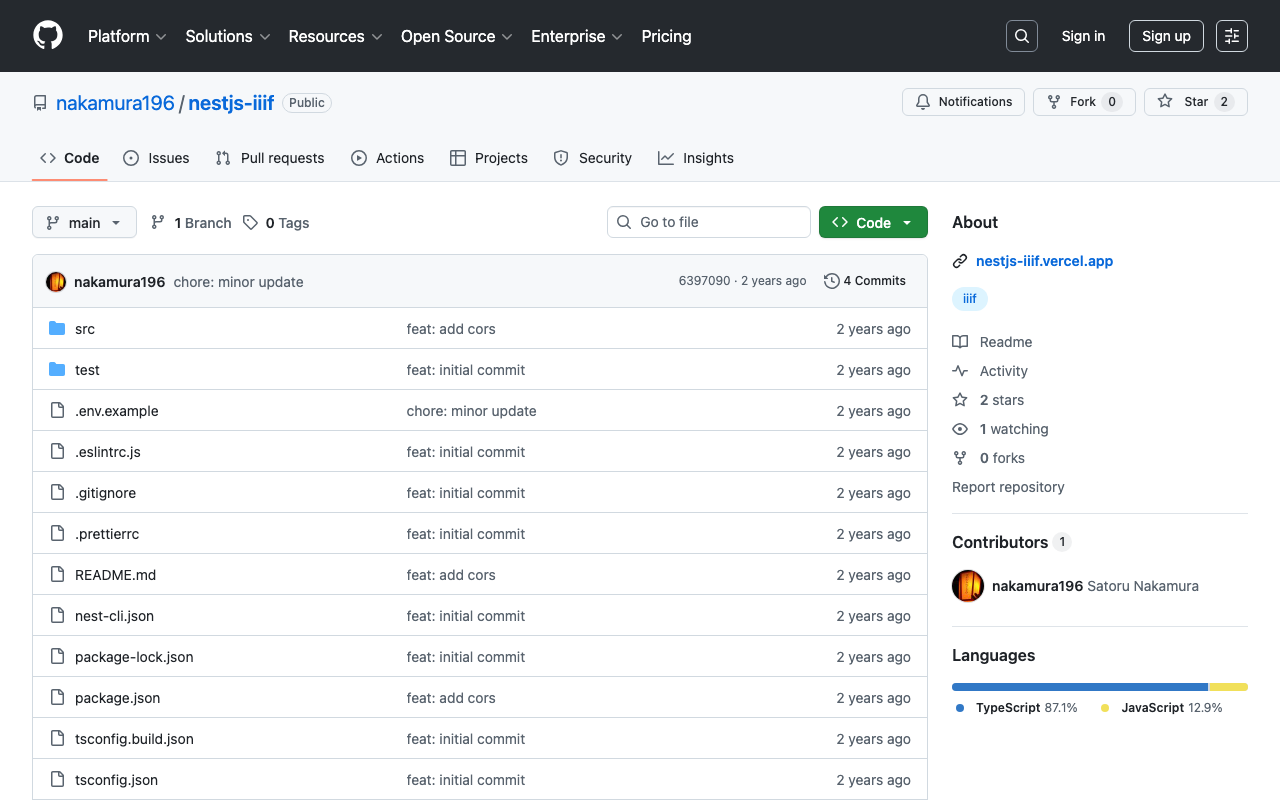
概要 mdx.jpのオブジェクトストレージに保存したIIIFマニフェストファイルをNestJSから利用する機会がありましたので、備忘録です。 背景 mdx.jpのオブジェクトストレージに関して、簡単に確認したところ、corsの設定ができず、mdx.jpのオブジェクトストレージにアップロードしたIIIFマニフェストファイルを他のビューアから利用することは難しいようでした。 https://tech.ldas.jp/ja/posts/ad76f58db4e098/#注意(corsの許可) そこで、NestJSからオブジェクトストレージにアップロードしたIIIFマニフェストファイルをロードして返却します。 ソースコード 以下のリポジトリからご確認いただけます。 https://github.com/nakamura196/nestjs-iiif 以下のような環境変数を用意します。mdx.jpのオブジェクトストレージを使用するため、S3_ENDPOINTにhttps://s3ds.mdx.jpを与えます。 S3_ENDPOINT=https://s3ds.mdx.jp S3_REGION=us-east-1 S3_ACCESS_KEY_ID=xxx S3_SECRET_ACCESS_KEY=xxx S3_BUCKET_NAME=xxx そして、@aws-sdk/client-s3を利用して、以下のように、オブジェクトストレージ上のIIIFマニフェストファイルをダウンロードして返却します。 // src/s3.service.ts import { Injectable } from '@nestjs/common'; import { S3Client, GetObjectCommand } from '@aws-sdk/client-s3'; import { Readable } from 'stream'; import * as dotenv from 'dotenv'; dotenv.config(); @Injectable() export class S3Service { private readonly s3Client: S3Client; constructor() { this.s3Client = new S3Client({ region: process.env.S3_REGION, endpoint: process.env.S3_ENDPOINT, forcePathStyle: true, // パススタイルを有効化(多くの互換ストレージで必要) credentials: { accessKeyId: process.env.S3_ACCESS_KEY_ID, secretAccessKey: process.env.S3_SECRET_ACCESS_KEY, }, }); } async getJsonFile(key: string): Promise<any> { const bucket = process.env.S3_BUCKET_NAME; if (!bucket) { throw new Error('S3_BUCKET_NAME is not set in environment variables.'); } const command = new GetObjectCommand({ Bucket: bucket, Key: key }); const response = await this.s3Client.send(command); const stream = response.Body as Readable; const chunks: Uint8Array[] = []; for await (const chunk of stream) { chunks.push(chunk); } const fileContent = Buffer.concat(chunks).toString('utf-8'); return JSON.parse(fileContent); } } まとめ mdx.jpのオブジェクトストレージに保存したIIIFマニフェストファイルの利用にあたり、参考になりましたら幸いです。

LLMに関するメモ

LLMに関するメモ

概要 LLMに関するツールについて、備忘録です。 LangChain https://www.langchain.com/ 以下のように説明されていました。 LangChain is a composable framework to build with LLMs. LangGraph is the orchestration framework for controllable agentic workflows. LlamaIndex https://docs.llamaindex.ai/en/stable/ 以下のように説明されていました。 LlamaIndex is a framework for building context-augmented generative AI applications with LLMs including agents and workflows. LangChain と LlamaIndex gpt-4oの回答は以下でした。 LangChainとLlamaIndexはどちらも、LLMs(大規模言語モデル)を利用したアプリケーション開発を支援するフレームワーク 簡単に調べてみたところ、RAG(Retrieval-Augmented Generation)を行う際には、LlamaIndexがより簡単に使用できるようでした。 Ollama https://github.com/ollama/ollama 以下のように説明されていました。 Get up and running with Llama 3.2, Mistral, Gemma 2, and other large language models. ...

openai-assistants-quickstartの微修正

openai-assistants-quickstartの微修正

概要 OpenAIのAssistants APIを用いたRAG( Retrieval-augmented generation)を用いたチャット画面の構築にあたり、以下のリポジトリを使用しました。 https://github.com/openai/openai-assistants-quickstart この時、citationの扱いについて修正が必要であったため、備忘録としてメモします。 背景 上記のリポジトリを使い、OpenAIのAssistants APIを用いたRAGを試みました。 この時、デフォルトの設定では、以下のように、「4:13†」のように、引用箇所を示す記号がそのまま表示されてしまいました。 対策 annotateLastMessageを以下のように修正しました。file_pathをfile_citationに変更することで、引用箇所を置換することができた。 一例として、以下では、File APIへのリンクに置換しています。 const annotateLastMessage = (annotations) => { // Get the current messages setMessages((prevMessages) => { const lastMessage = prevMessages[prevMessages.length - 1]; const updatedLastMessage = { ...lastMessage, }; annotations.forEach((annotation) => { if (annotation.type === "file_citation") { updatedLastMessage.text = updatedLastMessage.text.replaceAll( annotation.text, `[リンク](/api/files/${annotation.file_citation.file_id})` ); } }); return [...prevMessages.slice(0, -1), updatedLastMessage]; }); }; 結果、以下のようにリンクが表示されました。 まとめ 目的に応じて、置換の内容を変更できるかと思います。参考になりましたら幸いです。