Home Articles Books Search About
日本語
Animating IIIF Scroll Paintings with AI Video: A Video Annotation Approach

Animating IIIF Scroll Paintings with AI Video: A Video Annotation Approach

Introduction IIIF (International Image Interoperability Framework) is an international standard for publishing digital archive images in an interoperable format. Adopted by libraries and museums worldwide, it enables deep zoom of high-resolution images and cross-institutional browsing of collections. This article describes the development of “IIIF Animated Viewer,” which overlays AI-generated videos on specific regions of IIIF images. The subject is the “Hyakki Yako-zu” (Night Parade of One Hundred Demons) — a scroll painting depicting a procession of yokai (supernatural creatures) — published by the University of Tokyo. ...
Delivering IIIF Images Using mdx.jp Object Storage and Cantaloupe Image Server

Delivering IIIF Images Using mdx.jp Object Storage and Cantaloupe Image Server

Overview This is a personal note on how to deliver IIIF images using mdx.jp object storage and Cantaloupe Image Server, one of the IIIF image servers. Background In the following article, I introduced how to deliver images using mdx.jp object storage. In the following article, I introduced how to deliver images stored in Amazon S3 using Cantaloupe Image Server. By combining these approaches, we aim to address the cost challenges of IIIF image delivery in digital archives. ...

Using mdx Object Storage (Using Cyberduck)

Using mdx Object Storage (Using Cyberduck)

Overview I had the opportunity to use mdx’s object storage, so this is a memo. https://mdx.jp/ Pricing The pricing for fiscal year 2024 is as follows. https://mdx.jp/guide/charge It costs 0.01 points (yen) per GB per day, which is approximately 0.3 yen per GB per month. Application Method & Usage with s3cmd The following official tutorial video was helpful. https://www.youtube.com/watch?v=IN_4NS9hO2Y Using Cyberduck The video above introduces file operations using command-line tools. ...

Omeka Classic and Omeka S: Feature Comparison (Explained by GPT-4)

Omeka Classic and Omeka S: Feature Comparison (Explained by GPT-4)

Omeka Classic and Omeka S: Feature Comparison (Explained by GPT-4) Target Users: Omeka Classic: Primarily for individuals and small organizations to publish digital collections. Omeka S: Designed to handle multiple projects simultaneously for medium to large organizations. Site Management: Omeka Classic: Creates one website per instance. Omeka S: Can create and manage multiple websites from a single instance. Data Sharing: Omeka Classic: Basically creates independent sites. Omeka S: Supports Linked Data and Semantic Web technologies to facilitate data reuse and sharing. Extensions: ...

Building an Omeka S Site Using Amazon Lightsail (Including Custom Domain + SSL)

Building an Omeka S Site Using Amazon Lightsail (Including Custom Domain + SSL)

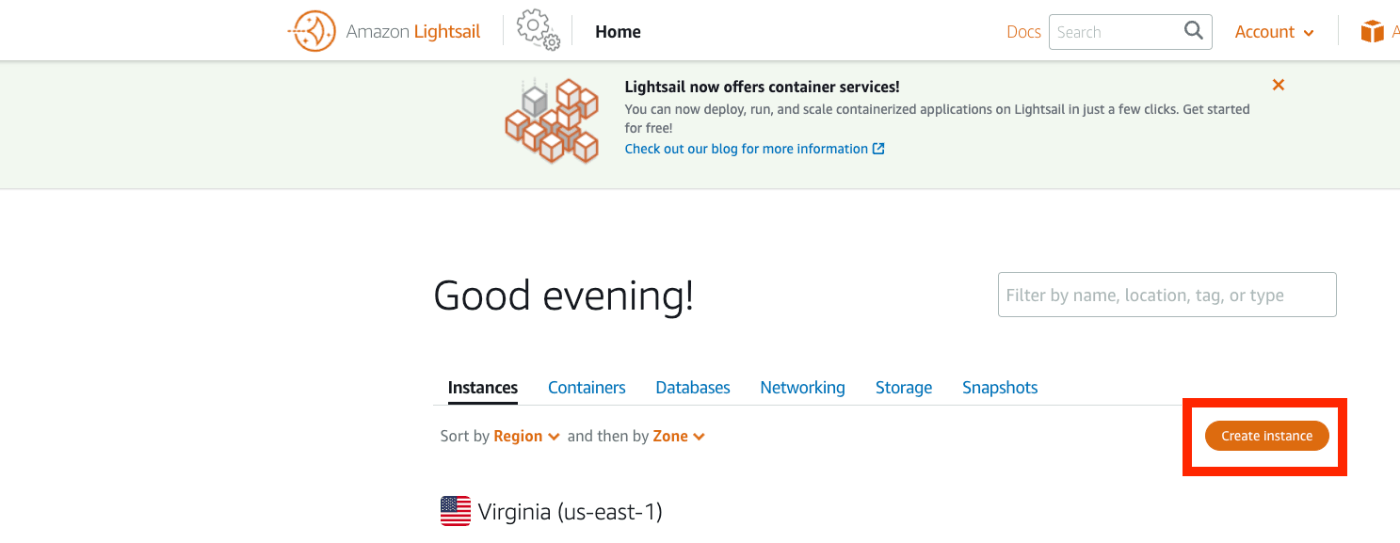
Update History 2022/09/08 Updated the script descriptions to the latest version. Overview Amazon Lightsail is described as follows: Amazon Lightsail is an easy-to-use virtual private server (VPS) that makes it easy to manage cloud resources such as containers at a predictable, low price. This article introduces how to build Omeka S using Amazon Lightsail. It also covers the “custom domain” and “SSL” configuration that are generally required when making a database publicly available. ...

[FOSS Memo] CollectiveAccess

[FOSS Memo] CollectiveAccess

The following is a partial translation of the GitHub README.md. github.com About CollectiveAccess CollectiveAccess is a web-based application suite that provides a framework for managing, describing, and discovering complex digital and physical collections in museum, archive, and research contexts. It consists of two applications. Providence is the “back-end” cataloging component of CollectiveAccess. It is highly configurable and supports a wide range of metadata standards, data types, and media formats. Pawtucket2 is CollectiveAccess’s general-purpose public-access publishing tool. It provides an easy way to create websites around data managed in Providence. (For more information on Pawtucket2, see https://github.com/collectiveaccess/pawtucket2.) ...

[Omeka S Module Introduction] Item Sets Tree

[Omeka S Module Introduction] Item Sets Tree

Overview Item Sets Tree is a module that allows you to configure a hierarchical structure for item sets. This article introduces how to use this module. omeka.org Overview Installation Data Feature Introduction Setting parent item sets Viewing the hierarchical structure Displaying descendant items in item set item list screens Display on sites Summary Installation After installing the module, the following settings screen is displayed. This is an option to specify whether to also display items from descendant item sets when viewing items of a given item set. We will examine the difference later. ...

[Feature Development] Adding a Setting to Disable Image API in the Omeka S IIIF Server Module

[Feature Development] Adding a Setting to Disable Image API in the Omeka S IIIF Server Module

Overview I developed a new feature for the Omeka S IIIF Server module that adds a setting to disable the Image API. This makes it easier to deliver IIIF manifests and other content in environments with limited resources, such as shared hosting servers. I hope this feature contributes to improving the sustainability and usability of digital archive systems. Background The Omeka S IIIF Server module generates IIIF manifest files from metadata registered in Omeka S. It is primarily developed by Daniel-KM, who has developed various Omeka modules. ...