Home Articles Books Search About
日本語
Transkribus: AI-Powered Handwritten Text Recognition for Historical Documents

Transkribus: AI-Powered Handwritten Text Recognition for Historical Documents

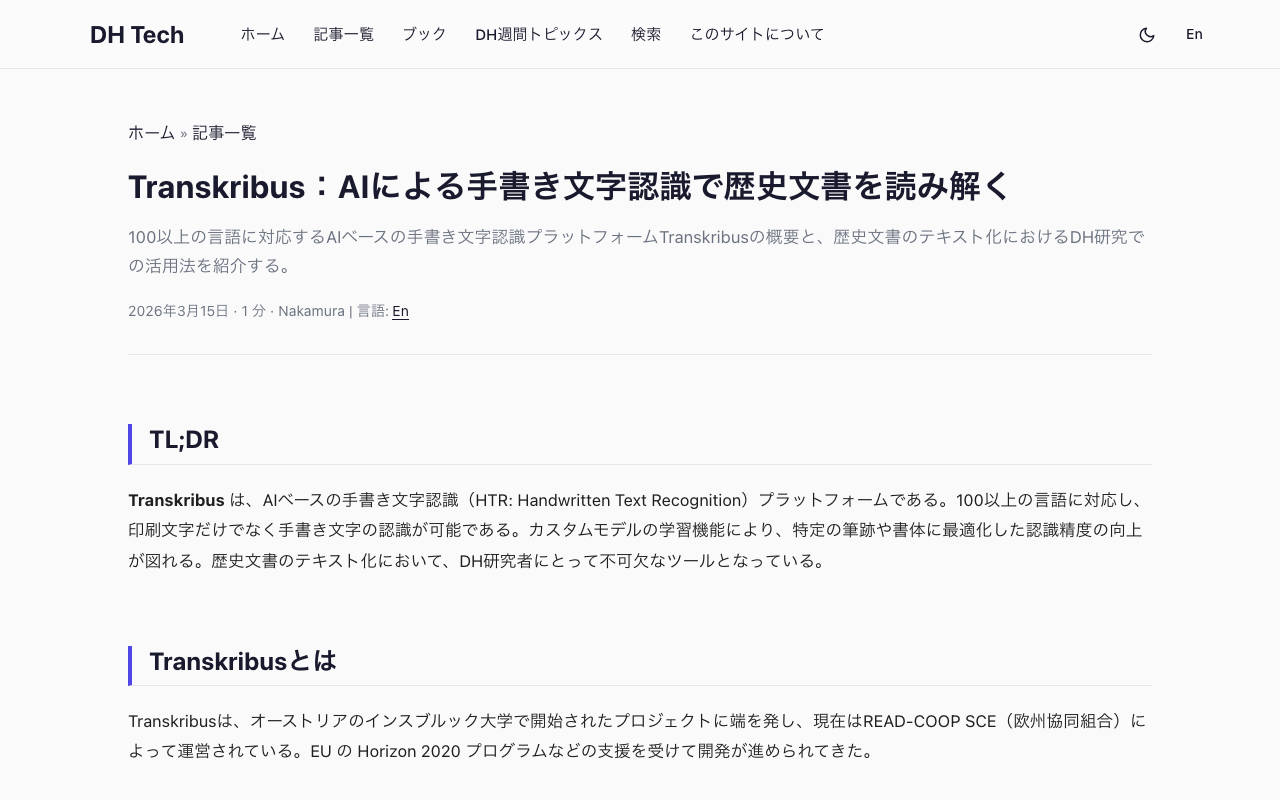
TL;DR Transkribus is an AI-based Handwritten Text Recognition (HTR) platform. Supporting over 100 languages, it can recognize not only printed text but also handwriting. Its custom model training feature allows you to optimize recognition accuracy for specific handwriting styles and scripts. It has become an essential tool for DH researchers working on historical document transcription. What is Transkribus? Transkribus originated as a project at the University of Innsbruck, Austria, and is currently managed by READ-COOP SCE (a European cooperative). Its development has been supported by funding from the EU’s Horizon 2020 programme and other sources. ...
Voyant Tools: A Browser-Based Text Analysis Platform for Digital Humanities

Voyant Tools: A Browser-Based Text Analysis Platform for Digital Humanities

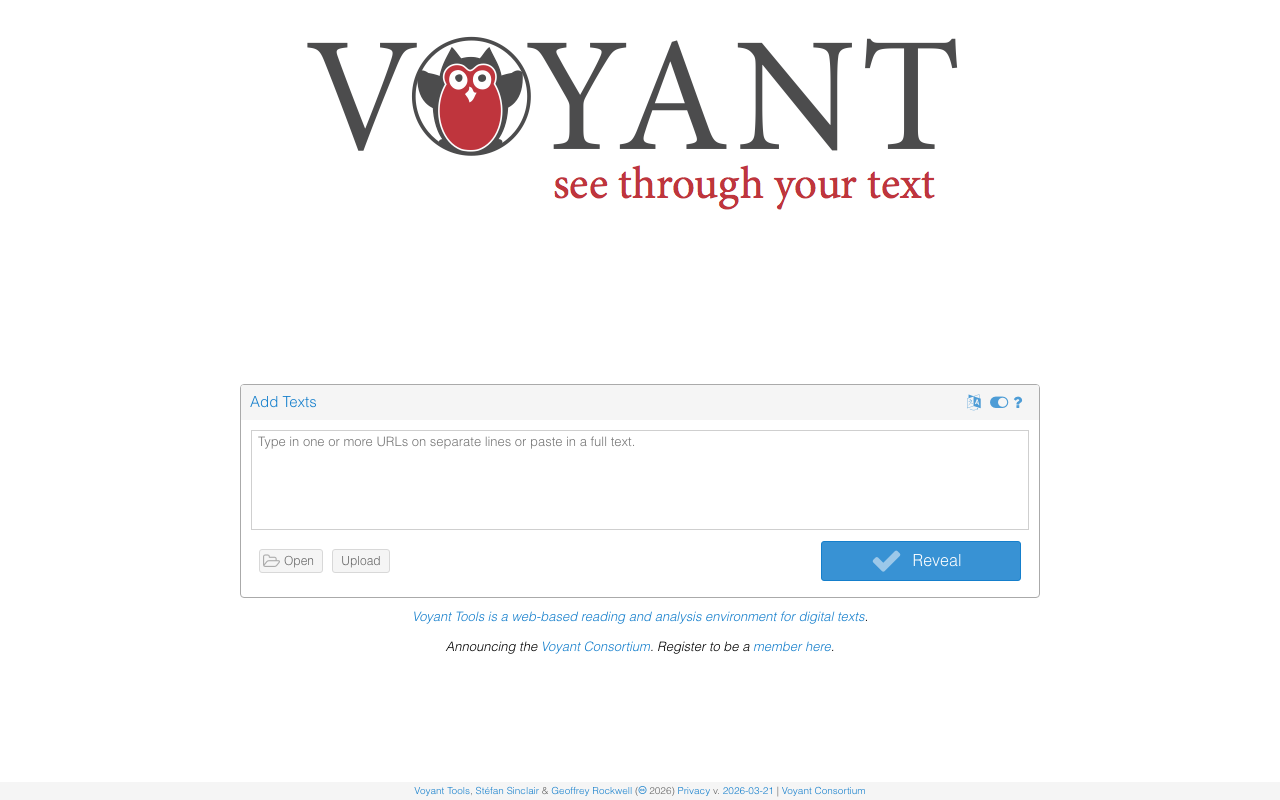
TL;DR Voyant Tools is a browser-based text analysis platform. Simply paste or upload text data to instantly perform word cloud generation, KWIC (Key Word In Context) analysis, co-occurrence analysis, topic modeling, TF-IDF calculations, and more. It supports Japanese morphological analysis and is widely used as a standard text mining tool in Digital Humanities. What is Voyant Tools? Voyant Tools is an open-source text analysis environment developed by Stéfan Sinclair and Geoffrey Rockwell. With over 20 years of history since its first version in 2003, it is one of the most widely used text analysis tools in the DH field. ...

Wikidata Query Service: Exploring Knowledge Graphs with SPARQL

Wikidata Query Service: Exploring Knowledge Graphs with SPARQL

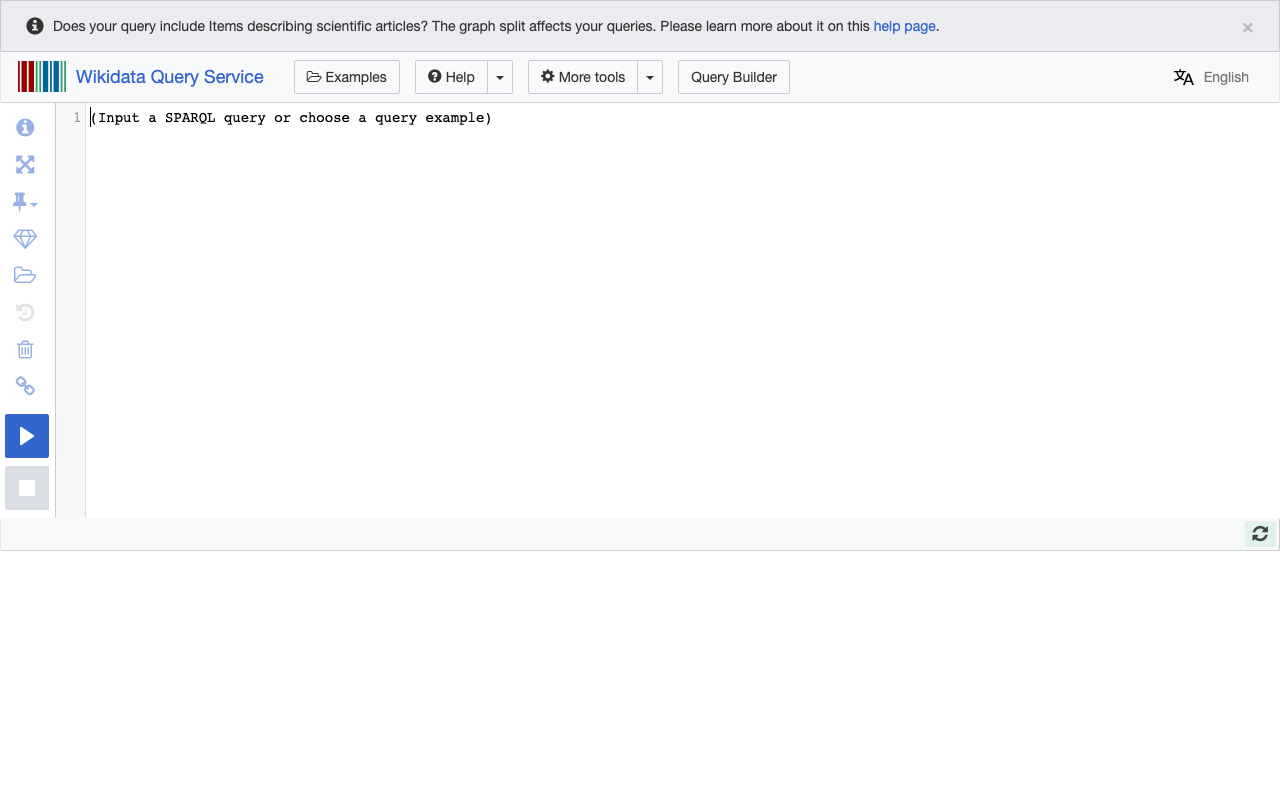
Introduction In Digital Humanities research, structured data is an extremely valuable resource. When information about people, places, works, and events is organized in a machine-readable format, large-scale data analysis and cross-dataset integration become possible. Wikidata is a free knowledge base operated by the Wikimedia Foundation, containing over 100 million items. The Wikidata Query Service is a free web service that allows you to execute SPARQL queries against this database and visualize results in various formats. ...

TETRAS-IIIF: Annotation, Video, and Multi-User Extensions for Mirador 4

TETRAS-IIIF: Annotation, Video, and Multi-User Extensions for Mirador 4

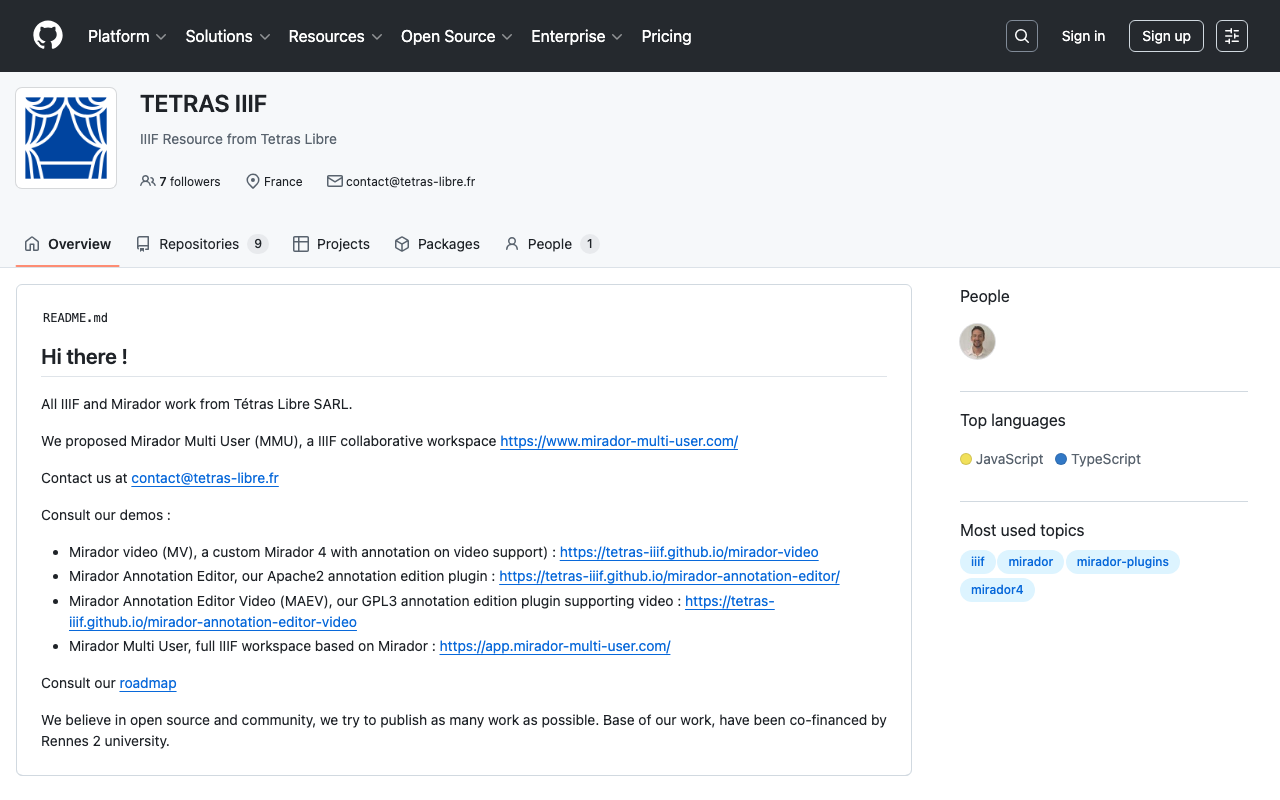
What is TETRAS-IIIF? TETRAS-IIIF is a suite of plugins and tools for Mirador 4, developed primarily by Tetras Libre SARL, a French open-source company. The ecosystem extends Mirador with annotation editing, video support, and multi-user collaboration capabilities. These tools address limitations of the original mirador-annotations plugin and provide a modern foundation built on React 18/19 and MUI 5/7. Mirador Annotation Editor (MAE) Overview Mirador Annotation Editor (MAE) is an annotation creation and editing plugin for Mirador 4. It serves as a successor to mirador-annotations and is released under the Apache 2.0 license. ...

IIIF Georeference Viewer: Visualizing Georeferenced Content on Interactive Maps

IIIF Georeference Viewer: Visualizing Georeferenced Content on Interactive Maps

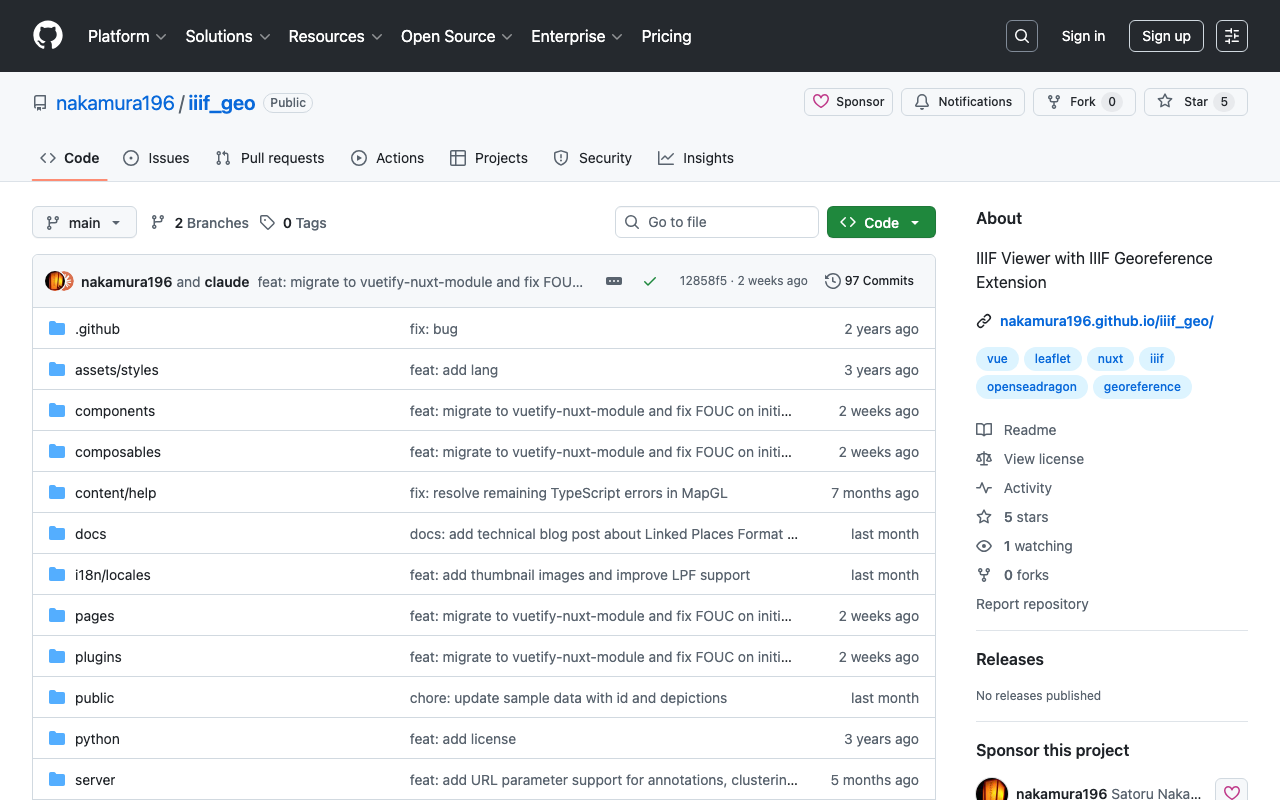
Introduction In the fields of digital archives and humanities research, there is a growing need to view historical maps, old photographs, and other materials within a geographic context. IIIF (International Image Interoperability Framework) is an international standard for enhancing image interoperability, and with the recent IIIF Georeference Extension, it is now possible to attach geographic coordinate information to IIIF images. The IIIF Georeference Viewer (iiif_geo) is a web application for visualizing such georeferenced IIIF content on interactive maps. ...

Mirador: A Feature-Rich IIIF Viewer for Comparing and Annotating Images

Mirador: A Feature-Rich IIIF Viewer for Comparing and Annotating Images

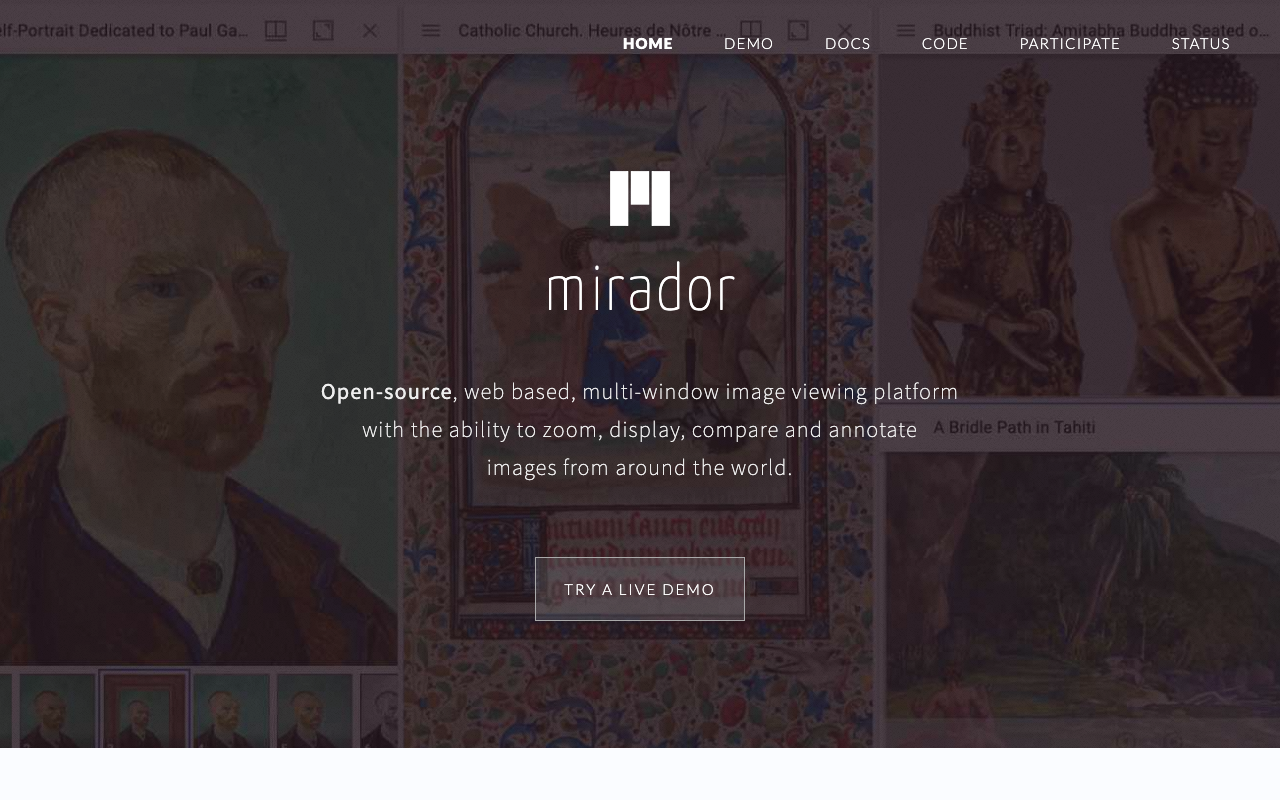
What Is Mirador? Mirador is an open-source image viewer built for the IIIF (International Image Interoperability Framework) ecosystem. Released under the MIT license, it is widely adopted by universities, libraries, museums, and archives worldwide, including Harvard, Stanford, and Yale. Mirador’s defining feature is its multi-window workspace, which allows users to display, compare, and analyze multiple images side by side. It has become an essential tool for Digital Humanities research and cultural heritage digital archives. ...

Tify: A Lightweight, Fast IIIF Document Viewer

Tify: A Lightweight, Fast IIIF Document Viewer

Introduction In the fields of digital archives and digital humanities, choosing the right IIIF (International Image Interoperability Framework) viewer is a critical decision. While feature-rich viewers like Mirador and Universal Viewer (UV) are widely used, there are many situations where a lighter, faster-loading viewer is preferable. This is where Tify comes in. Tify is a lightweight, fast IIIF document viewer developed primarily by the Goettingen State and University Library (SUB Goettingen) in Germany. ...

Universal Viewer: A Multi-Format IIIF Viewer for Images, Audio, Video, and 3D

Universal Viewer: A Multi-Format IIIF Viewer for Images, Audio, Video, and 3D

What Is Universal Viewer? Universal Viewer (UV) is an open-source viewer built on the IIIF (International Image Interoperability Framework) standards. As its name suggests, its defining characteristic is universality: it can display images, audio, video, 3D models, and PDFs through a single unified interface. It is released under the MIT license and implemented in TypeScript. While Mirador is perhaps the most well-known IIIF viewer, Universal Viewer stands out through its broad media format support. You can explore various content types on the examples page. ...